
We often think of human health and animal health as separate issues. In reality, they are closely connected, especially when it comes to infectious diseases.
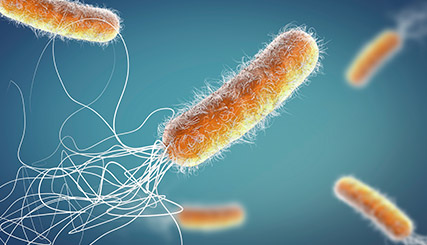
Antimicrobial resistance, or AMR, occurs when bacteria and other microbes evolve so that medicines like antibiotics no longer work. As treatments lose their effectiveness, even routine infections become harder to control. Without action, AMR-related deaths are projected to reach 10 million per year globally by 2050, surpassing deaths from cancer.
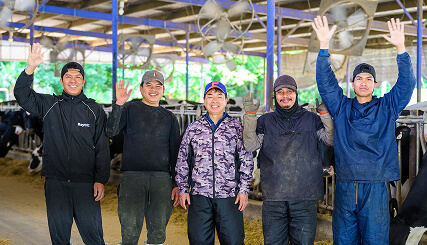
This challenge is commonly framed as a problem of human healthcare. But resistant bacteria also develop in animals and livestock, moving across species and environments. What happens on farms and in veterinary clinics has direct consequences for human health and the systems that support it.
The Meiji Group has worked with antimicrobial drugs for decades, in human and veterinary medicine. Building on a long-standing research relationship with Azabu University, Meiji Animal Health Co., Ltd. took a further step in 2021 by establishing the AMR Surveillance Laboratory (AMRSL).
The lab was created to deepen research into AMR through close industry and academic collaboration. Researchers at Meiji Animal Health and faculty at Azabu University are now working side by side to better understand how bacteria develop resistance and how it can be contained. We spoke with Akiko Kato of Meiji Animal Health, who is involved in AMR research, and Professor Kazuhiro Kawai of the School of Veterinary Medicine at Azabu University about AMR and their ongoing research efforts.
When resistant bacteria reach livestock farms
Bacteria evolve constantly. Each time a new antimicrobial drug is introduced, bacteria capable of resisting it eventually appear. This makes AMR a persistent and difficult challenge.
Antimicrobials are used across many settings, including human medicine, pets, livestock, and agriculture. Resistant bacteria have emerged in all of them. These bacteria can also move between humans, animals, and the environment, which means the problem cannot be addressed in isolation.
The World Health Organization and governments, including Japan's, now recognize AMR as a critical global issue. Left unchecked, its effects will impact food safety, economic stability, and ecosystems.
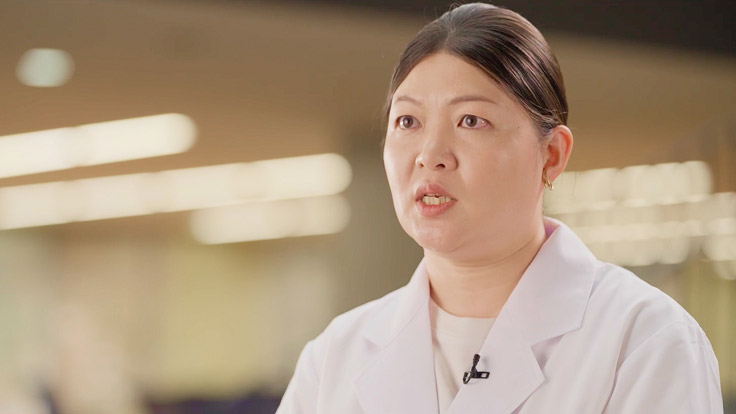
Kato, a researcher at Meiji Animal Health, has spent around 20 years working in livestock clinical testing. Her work involves analyzing samples sent from farms and veterinarians across Japan to identify disease-causing bacteria. "Resistant bacteria are no longer unusual," she says. "They are something we encounter every day."
"In an increasingly connected world, resistant bacteria circulate across borders and across species. If this trend continues, we could accelerate the spread of 'superbugs,' extensively drug-resistant bacteria, making infections far harder to treat in animals and people alike," Kato explains.
Finding answers through industry-academia collaboration
Careful and appropriate use of antimicrobials is crucial. Using these drugs only when necessary and based on proper diagnosis helps slow the emergence of resistance. Meiji Animal Health has long focused on promoting prudent use and on developing formulations that maintain effectiveness while accounting for AMR risks.
To go further, the company partnered with Azabu University's School of Veterinary Medicine and established the AMR Surveillance Laboratory (AMRSL) within the university in 2021. The lab is led by Professor Kazuhiro Kawai, a clinical veterinarian specializing in production animals. He explains that the collaboration grew from a shared sense of urgency.
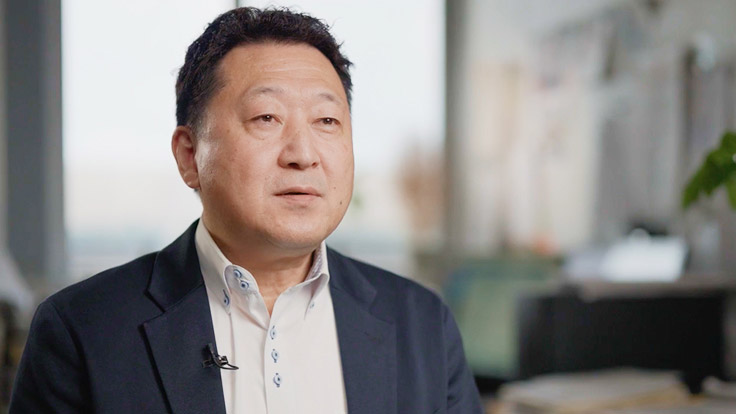
"Mastitis, an infection of the cow's udder that causes inflammation, is a common disease in dairy farming," Professor Kawai says. "It requires antimicrobial treatment, and if resistant bacteria reduce drug effectiveness, animal welfare and farm management suffer. Similar challenges exist across many livestock diseases."
"For a long time, AMR has been a major challenge for veterinarians," he explains. "When I learned that Meiji Animal Health shared the same concerns, we connected right away. By working together, we can bring the strengths of academia and industry together to address this pressing issue, strengthen countermeasures, and contribute more meaningfully to society."
Making resistant bacteria visible
At AMRSL, Kato of Meiji Animal Health collaborates with researchers from Professor Kawai's team, combining decades of experience. The lab has two main roles.
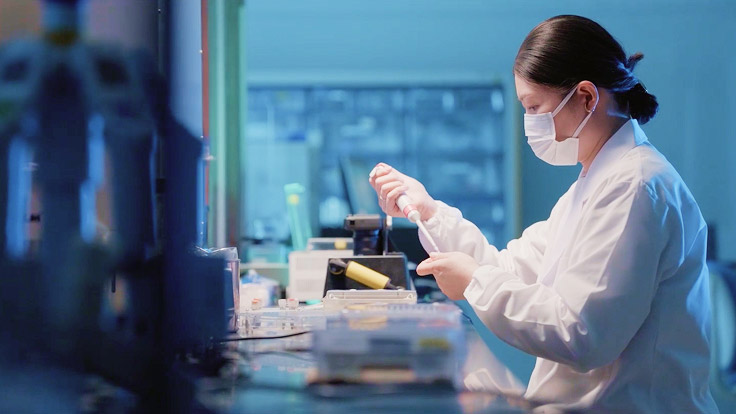
One is livestock clinical testing. Samples from farms and veterinarians nationwide are examined using bacterial, genetic, and viral analyses. Findings on disease causes and effective treatments are compiled and shared with producers and veterinarians through Meiji Animal Health's network.
The second role is research focused on AMR itself, using the data generated through clinical testing. According to Professor Kawai, scale matters. "To develop effective strategies against AMR, we need access to a large number of livestock samples."
"We have already analyzed resistant bacteria from samples collected across the country and mapped regional resistance patterns," he explains. "This makes it possible to see where resistance to specific drugs is emerging. By advancing this kind of visualization, we can offer clearer guidance on which antimicrobials are likely to be effective and how they should be used. That knowledge helps support more appropriate use in the field."
AMRSL has also contributed to national efforts to develop indicators for the prudent use of veterinary antimicrobials. The laboratory has participated in initiatives led by Professor Kawai and, in 2025, helped establish susceptibility standards for veterinary antimicrobials. Based on these results, AMRSL was formally recognized as an evaluation body and listed on the Japanese Society of Antimicrobials for Animals' website.
"For our research to be acknowledged was deeply meaningful," Kato says. "It reflects many years of work on AMR and would not have been possible without this collaboration between industry and academia."
One health, shared responsibility
Roughly half of all infectious diseases are zoonotic, meaning they can pass between animals and humans. Pathogenic bacteria, including resistant strains, can follow the same paths, and they can also spread through the environment. This is why the One Health approach, which integrates human, animal, and environmental health, is seen internationally as essential for addressing AMR.
The Meiji Group began producing penicillin in 1946 and has continued to work with antimicrobials ever since. Within the group, Meiji Animal Health focuses on veterinary medicine, while Meiji Seika Pharma addresses AMR in human healthcare. Together, they cover both sides of the issue.
"A company group that works on AMR from both human and animal perspectives is rare and extremely valuable," Professor Kawai says. "By advancing efforts through a One Health lens, we can create real momentum. Our mission at AMRSL is to keep strengthening collaboration and sharing what we learn."
Kato agrees. "Bacteria will continue to evolve, and AMR may never disappear completely. Still, there is much that can be done to curb the spread of resistant bacteria."