"With your family responsibilities, we hesitate to assign you high-level projects." "You're young, so you must be tech-savvy." Have you ever had these types of thoughts or had others say them to you?
Assumptions based on gender, age, or role—often called unconscious bias—can cause harm or disrupt communication, even when there's no ill intent.
To continue delivering value in food and health to society, the Meiji Group is integrating Diversity, Equity, and Inclusion (DE&I) into its efforts to build a corporate culture where diverse talent can thrive.
As part of this initiative, Meiji Co., Ltd. places a strong emphasis on helping employees recognize their own unconscious biases. The company has produced an ongoing series of awareness videos featuring Meiji employees depicting workplace situations that could realistically occur. Presented as short, dramatized stories, the videos encourage viewers to reflect on their own words and actions.
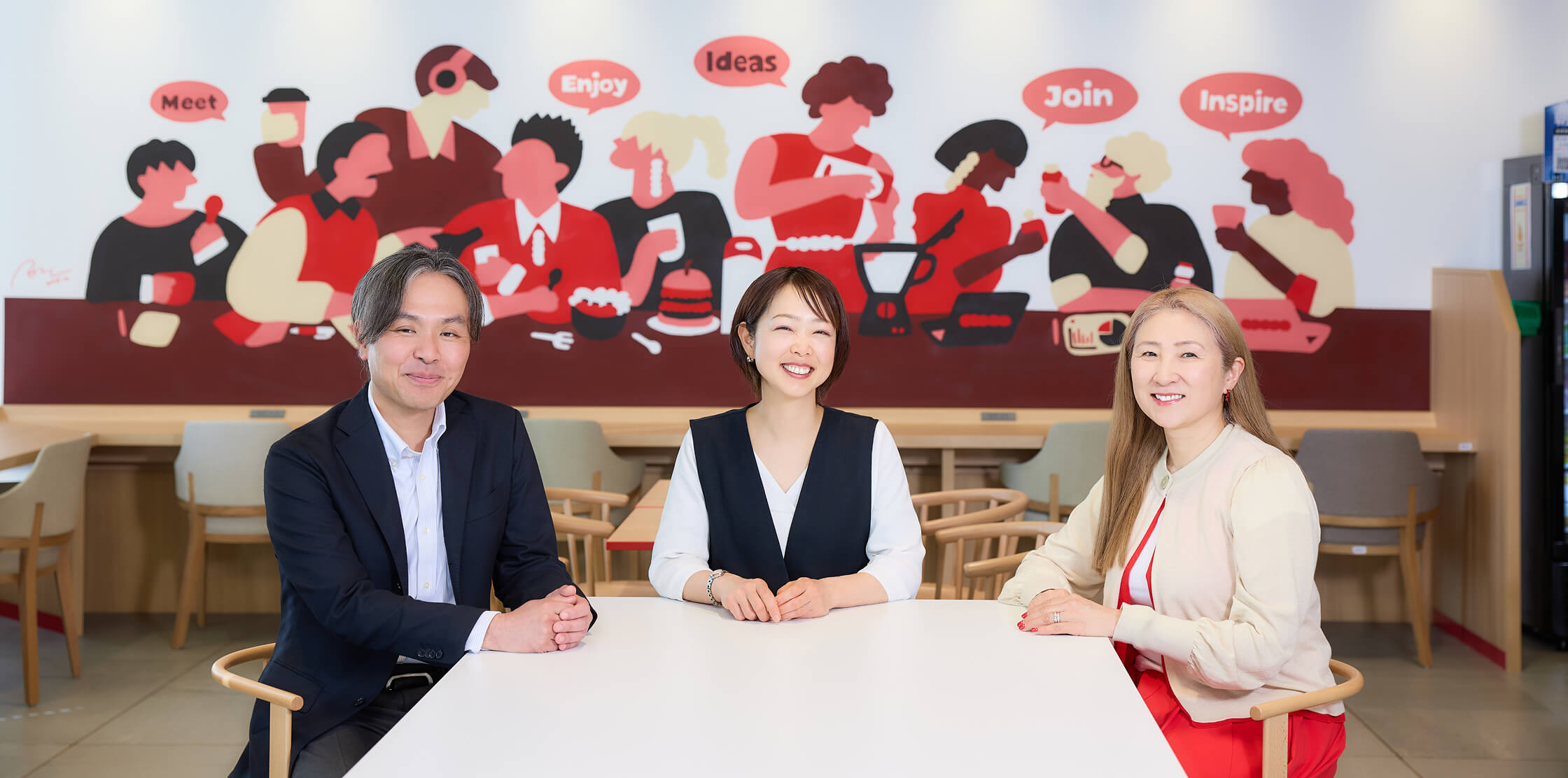
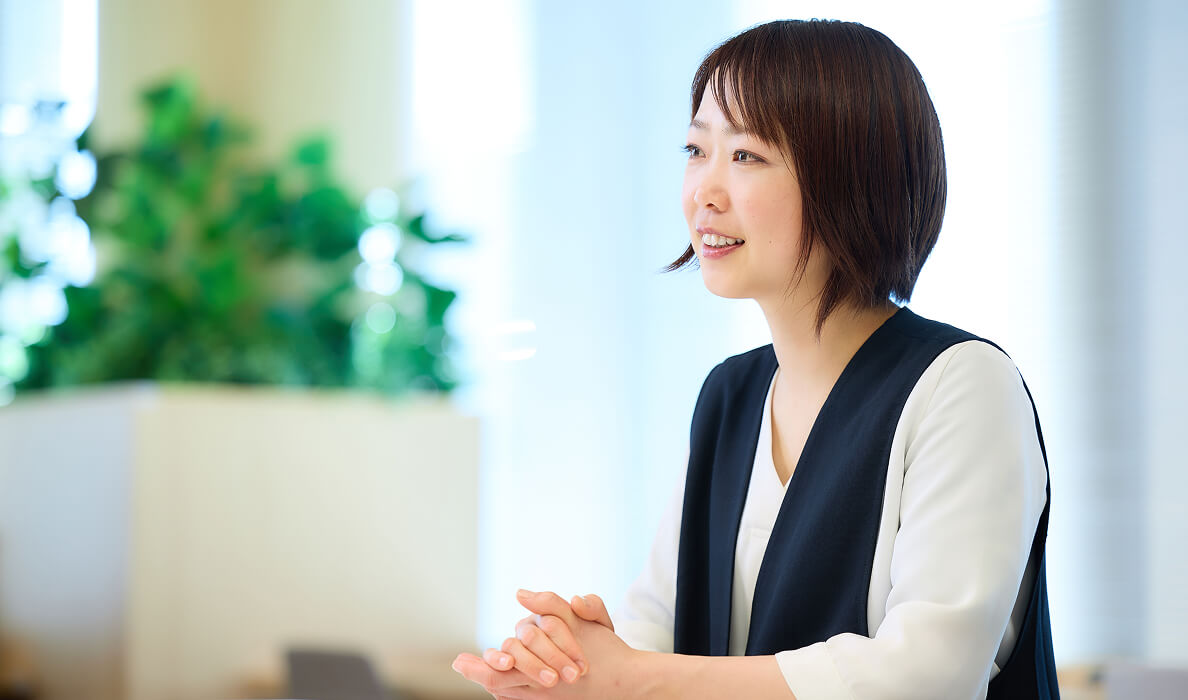
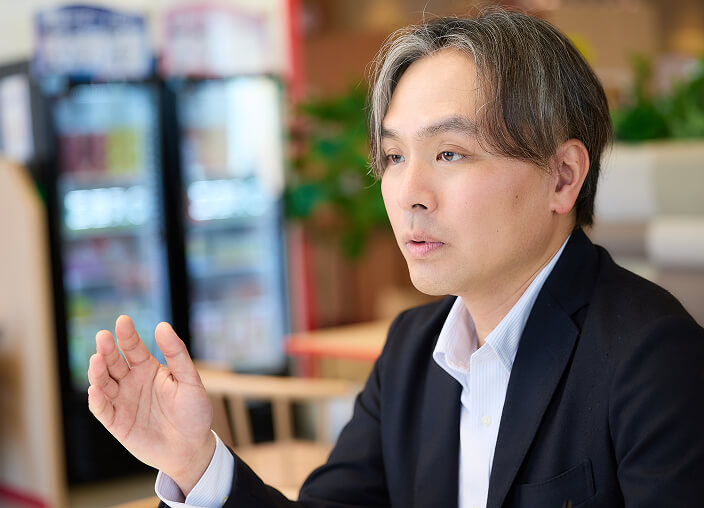
We spoke with Maki Shiomi, who leads video planning, along with Daisuke Murakami and Yuka Nishina, who have appeared in the series, about this initiative.
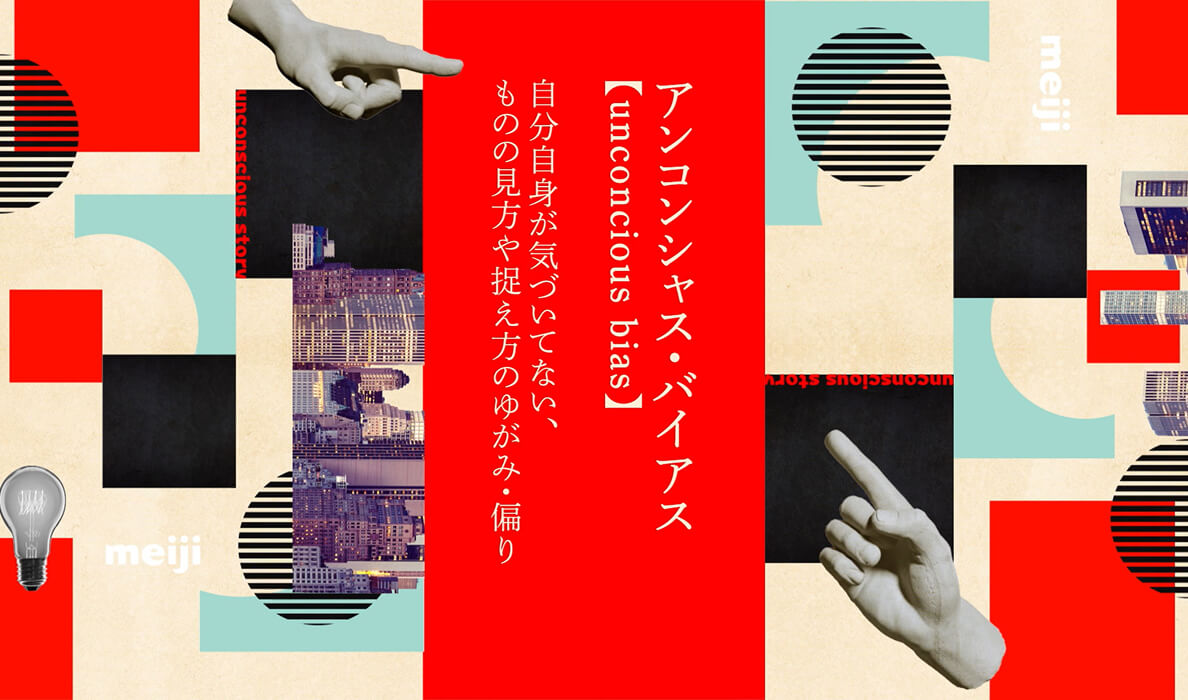
Opening scene from the unconscious bias video
Driving innovation and sustainable growth
—What led you to take action addressing unconscious bias?
Shiomi: At Meiji, we promote DE&I with the aim of enabling all people to thrive—including women, people with disabilities, senior employees, global talent, and members of the LGBTQ+ community. We believe that a workplace culture that embraces diversity and ensures equitable opportunities enables individuals to flourish and realize their full potential, leading to Meiji-style innovation and sustainable corporate growth.
As a foundation for advancing DE&I, we focused on unconscious bias, which can, often without our awareness, hurt others emotionally and hinder both individual and organizational growth.
—What content do the awareness videos include on unconscious bias?
Shiomi: We focus on examples of unconscious bias that are common in the workplace. These include assumptions such as "It's natural for mid-career male employees to work overtime" or "Older employees aren't good with IT."
Based on real cases collected from offices, factories, and other sites across the country, our planning team develops scenarios, invites employees to appear in the videos, and conducts filming at actual work locations. The videos present common examples of unconscious bias, along with appropriate responses and suggestions for improvement. Since 2022, we have produced 28 videos.
These videos are built on a simple idea: everyone has unconscious bias. By communicating that this is not an issue specific to certain individuals, but something anyone can experience, employees see the topic as personally relevant.
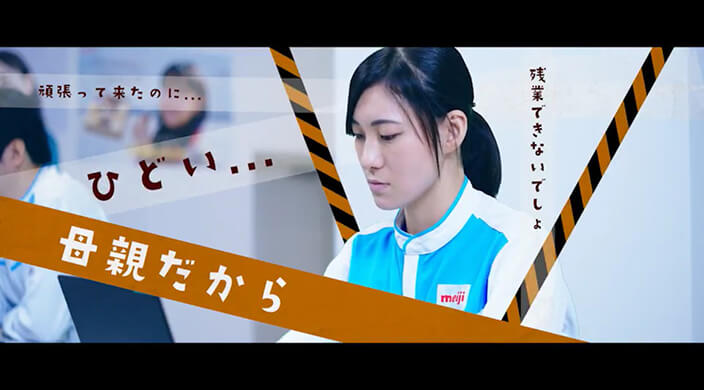
Realistic situations make the videos relatable.
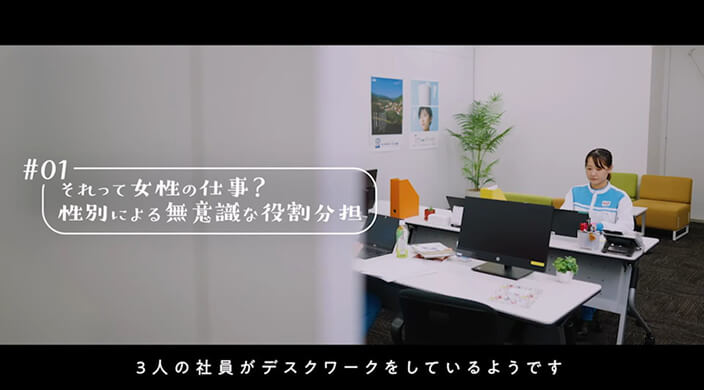
The videos feature Meiji employees.
Unconscious bias videos created by employees, for employees
—What made you decide to appear in the videos, Murakami and Nishina?
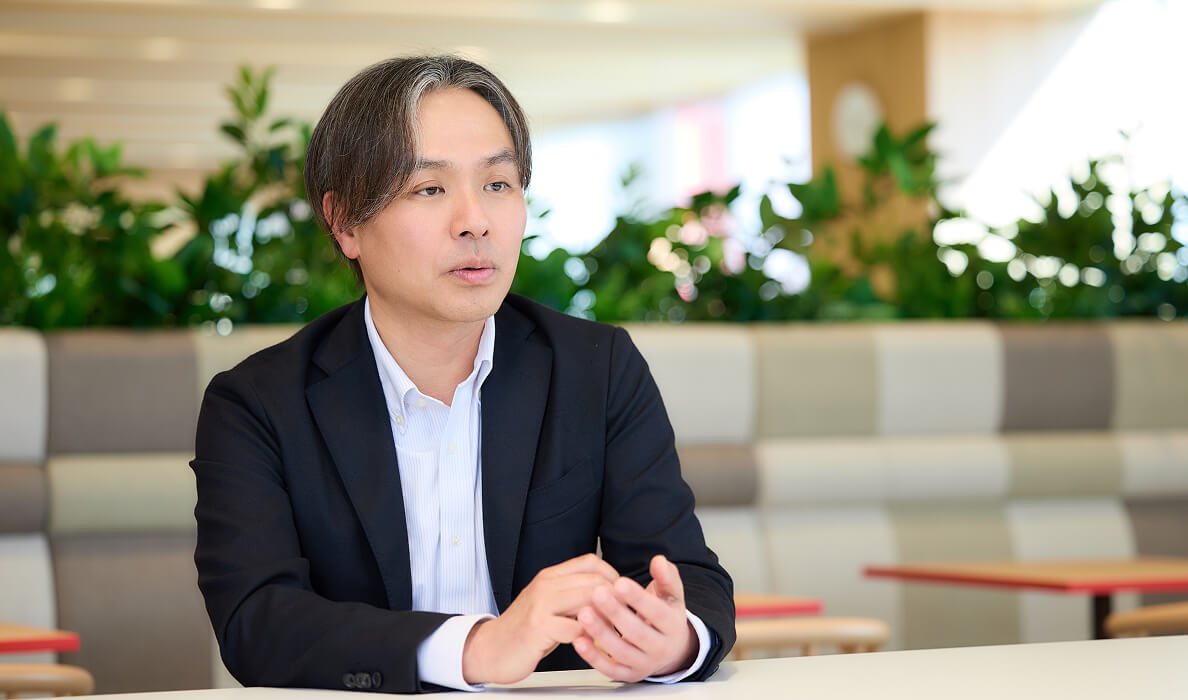
Murakami: I currently work in manufacturing design, but at the time of filming, I was assigned to a factory. In our factory operations, strict safety management and operational discipline are essential for us to reliably deliver high-quality products to our customers. However, working within such a structured routine can sometimes squelch new ideas or hinder improvements. When I was asked to appear in the unconscious bias video, I saw it as an opportunity to bring a fresh perspective to the workplace.
Nishina: I work at a customer support center, where I handle inquiries from customers. I have always placed great importance on listening without preconceived notions to our customers, so I initially believed I was not prone to bias. In watching the videos, however, I learned the term “unconscious bias,” which made me realize, “Perhaps I don’t always extend that same courtesy to my coworkers and instead judge them based on rumors or impressions rather than facts.” Around that time, I came across an open call for participants to appear in future videos. Because I strongly identified with the message, I applied.
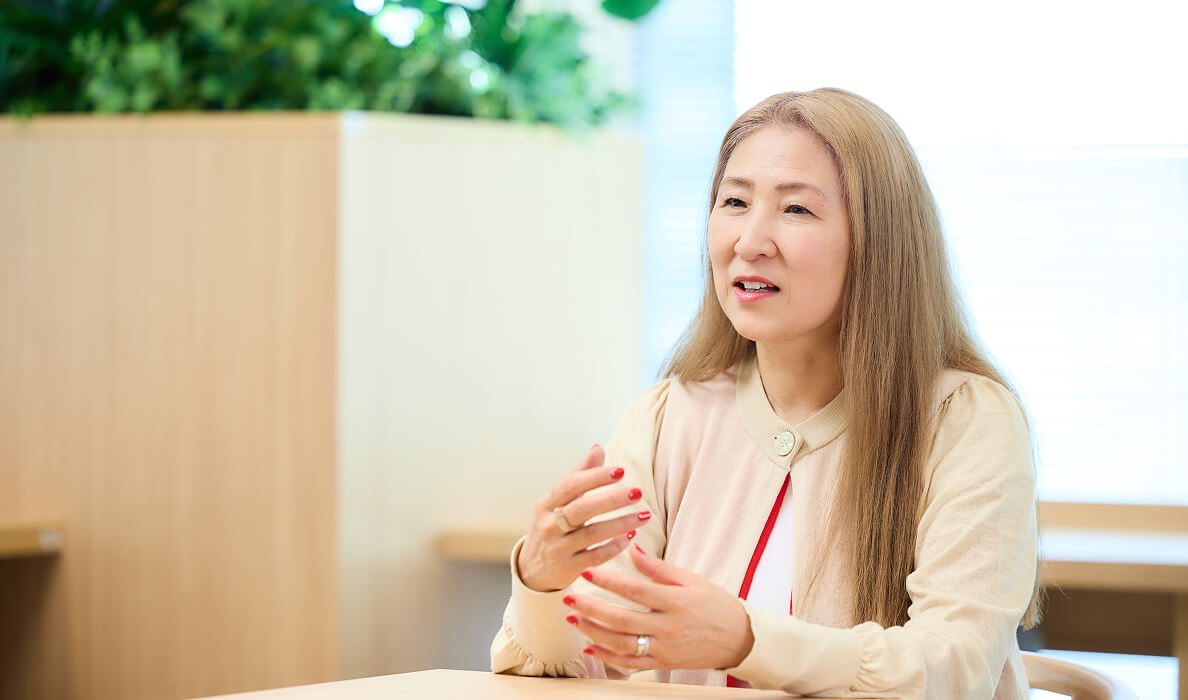
—What changes have you noticed since appearing in the videos?
Murakami: I played a stereotypical role in which a supervisor asks a busy female employee to serve tea to visitors, even though a male employee is available. As I acted out the scene, I remember thinking, "This is clearly outdated."
At the time, I believed I already understood what constitutes bias and is inappropriate. However, after the filming, I gradually began noticing more moments in my daily life when it occurred to me, "This might also be unconscious bias." Since then, I have become more mindful of my words and actions in everyday communication.
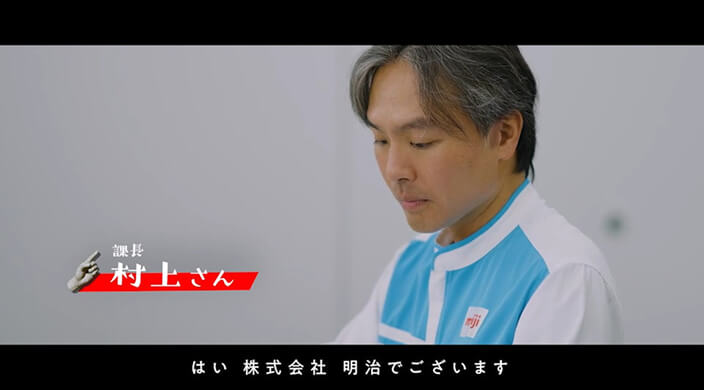
Scenes from the video featuring Murakami
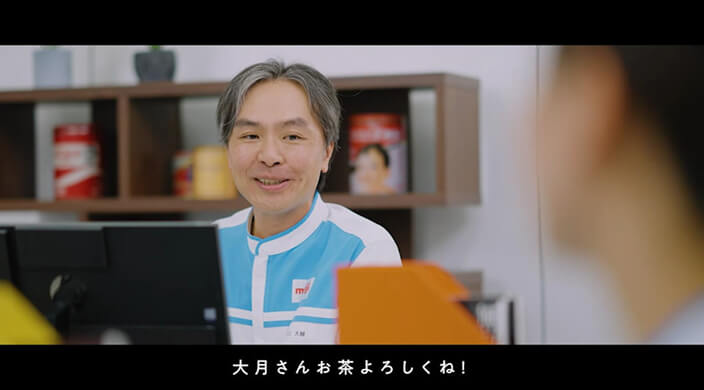
Scenes from the video featuring Murakami
Nishina: I played the role of a supervisor who promoted a young male employee to project leader, while overlooking a highly capable, more experienced female employee. The character I portrayed assumed the male employee could work overtime hours when necessary because he didn't have young children to care for at home, whereas the female employee did. What should have been considered were their actual abilities and work history. In the video, the story does not end there. Instead, my character realizes she may be showing an unconscious bias and then engages in dialogue to build mutual understanding.
From that experience, I learned the importance of recognizing unconscious bias and addressing it through open communication. Since then, I've made a conscious effort in my day-to-day work to speak to others without preconceived notions or assumptions.
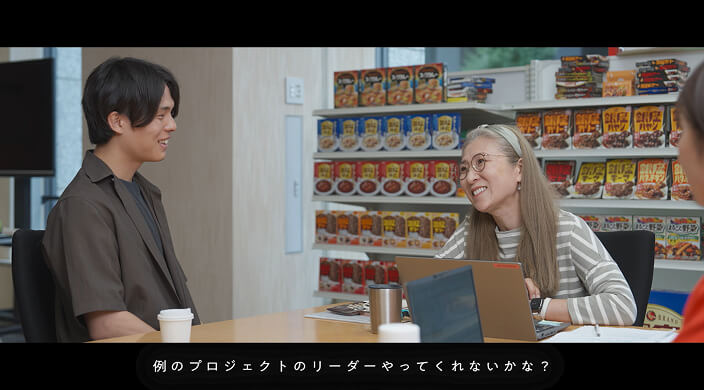
Scenes from the video featuring Nishina
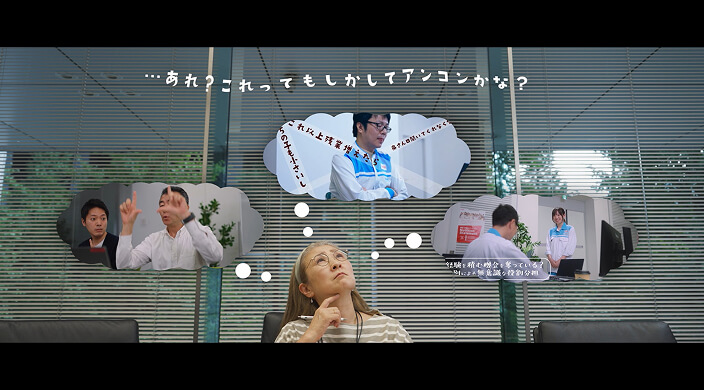
Scenes from the video featuring Nishina
Murakami: While changing organizational culture takes time, the videos have clearly led to positive changes in individual awareness. The term "unconscious bias" is now widely recognized and understood across the company.
Shiomi: Three years ago, the term "unconscious bias" was hardly known within the company. Today, however, about 90% of our employees watch the videos, and unconscious bias has gained wider awareness across the company.
Each time we release a new video, we receive feedback such as, "I'm a fan of the series," "Unconscious bias has become a topic of conversation in our workplace," and "Please keep it going." These comments have become a major source of motivation for our planning team.
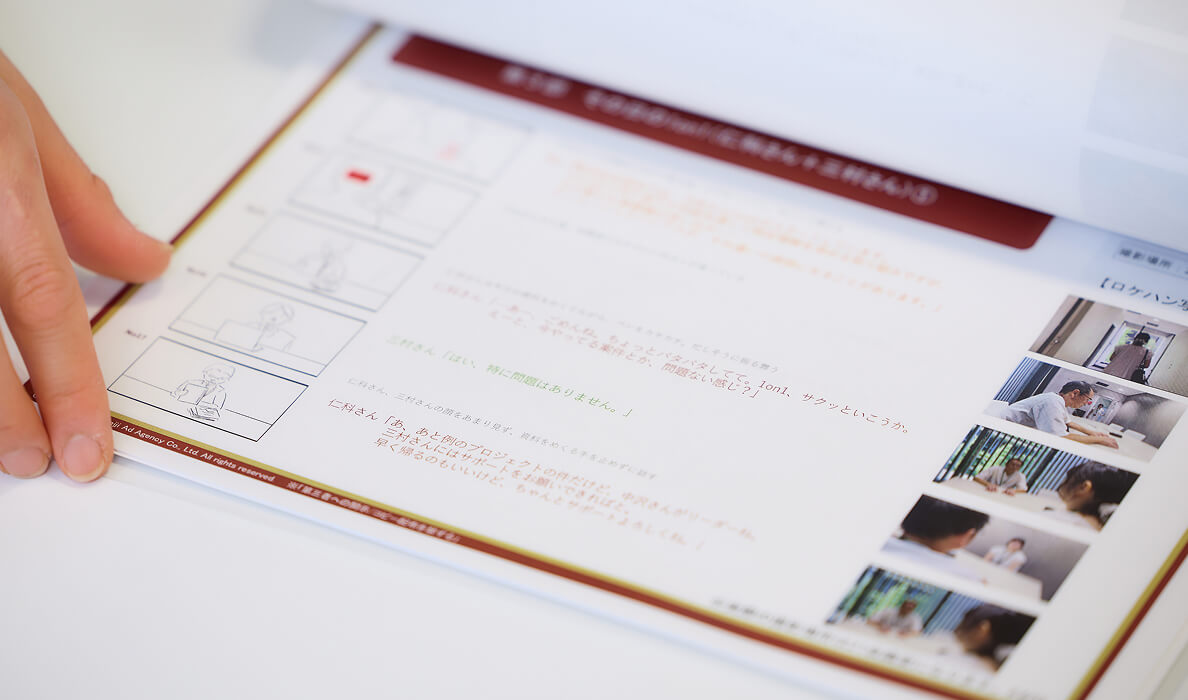
Development of each video began with storyboards.
—To what do you attribute the success of the videos?
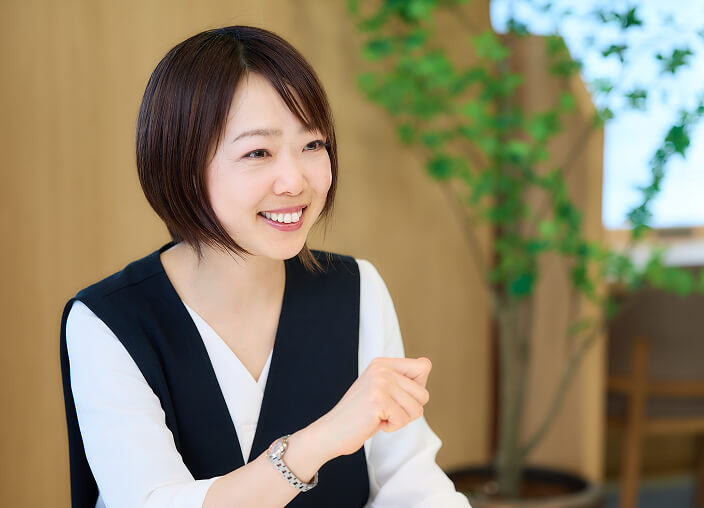
Shiomi: Making our videos easily accessible has been a factor. About half of Meiji's employees work at manufacturing plants. They don't use PCs and are therefore less likely to view the videos than their office-based counterparts. We intentionally keep the videos relatively short—around 10 minutes—so that plant employees can easily watch them on their breaks.
Another key factor is that we use examples directly from the workplace. We film on-site and feature our own employees in the videos. After each video is released, some individual departments and teams hold discussion sessions on the scenarios presented.
What we value most is never forcing the message. Instead, we focus on using relatable examples and familiar faces in the video. We hope to continue reflecting real situations from the field into our DE&I initiatives and the production of unconscious bias videos.
Creating an environment where every employee can thrive as their true self
—How would you like to apply your awareness of unconscious bias going forward?
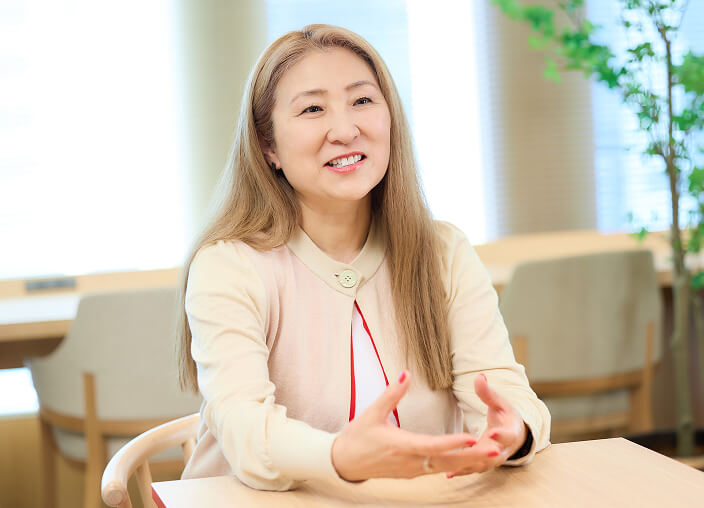
Nishina: I hope that more of our coworkers can openly engage in dialogue when they recognize unconscious bias in everyday communication. If we apply the same mindset we value in customer interactions to our coworkers—listening carefully to the other person's thoughts and feelings—I believe it will strengthen bonds and make the workplace more enjoyable for everyone. Through these videos, I've come to think about DE&I as something that personally affects me. Even in small ways, I want to take the initiative to do what I can to eliminate that bias.
Murakami: It's essential to communicate regularly and make a sincere effort to understand others. I often chat casually with people around me during breaks, but I sometimes realize that I end up talking mostly about myself. Appearing in the videos prompted me to be more mindful. Instead of imposing my own views, I try to listen first and consider how the other person feels. I believe that promoting DE&I as a company creates opportunities for each employee to develop this kind of awareness and improve their interpersonal relationships both at work and at home.
—As a person responsible for promoting DE&I, what are your goals?
Shiomi: We want all employees to feel they can work with enthusiasm and perform at their best while being true to themselves. We want to extend our DE&I initiatives to every employee, including those at our manufacturing plants—the backbone of Meiji—and create a fulfilling atmosphere where people feel genuinely happy to work at this company. We will continue to advance DE&I together with those on the front lines. We firmly believe that this ongoing effort will lead to innovation that is unique to Meiji, as well as continued organizational growth.